Introduction
Timing is everything when using the London Underground. Travelling at the wrong time can mean packed trains, higher fares, and a stressful experience, especially for tourists unfamiliar with the system.
Understanding peak vs off-peak travel can save you money and make your journey far more enjoyable.
What Are Peak Times?
Peak hours are typically:
- Weekdays: 6:30–9:30 AM
- Weekdays: 4:00–7:00 PM
During these times, commuters flood the system, especially in central London.
Why Avoid Peak Travel?
- Trains are extremely crowded
- Fares are more expensive
- Navigation becomes harder for beginners
If you’re sightseeing, peak hours add unnecessary stress.
Costs
London Tube tickets (as of March 2026) are best paid via contactless or Oyster card, with single fares in Zone 1 costing £2.90. Daily caps start around £8.90 for Zones 1-2, while cash tickets are significantly higher. Peak fares operate Monday-Friday 06:30-09:30 and 16:00-19:00, with rates varying by zones travelled.
Key Tube Ticket Costs & Options
- Single Fares (Oyster/Contactless): £2.90 in Zone 1. Rates increase based on zones traversed, for example, Zone 1-4 is £4.80.
- Daily Cap (Zone 1-2): £8.90 for unlimited travel in a day, making it a cheaper option for multiple journeys.
- Weekly Travelcard (Zone 1-2): Enables unlimited travel within specific zones for 7 days, costing roughly £45 (for adults)
- Paper Tickets: Buying single cash tickets is much more expensive (e.g., £7.00 for many journeys).
- Children & Concessions: Children under 5 travel free, and 5-10 year olds travel free on Tube services with a fare-paying adult
Benefits of Off-Peak Travel
- Lower fares
- More space and comfort
- Better experience for photos and exploration
Smart Travel Strategy
Plan your sightseeing between 10:00 AM and 4:00 PM, and again after 7:00 PM.
Related Posts
Baker Street and Sherlock Holmes: A Must-Visit for Fans
Introduction Few places in London capture the imagination quite like…
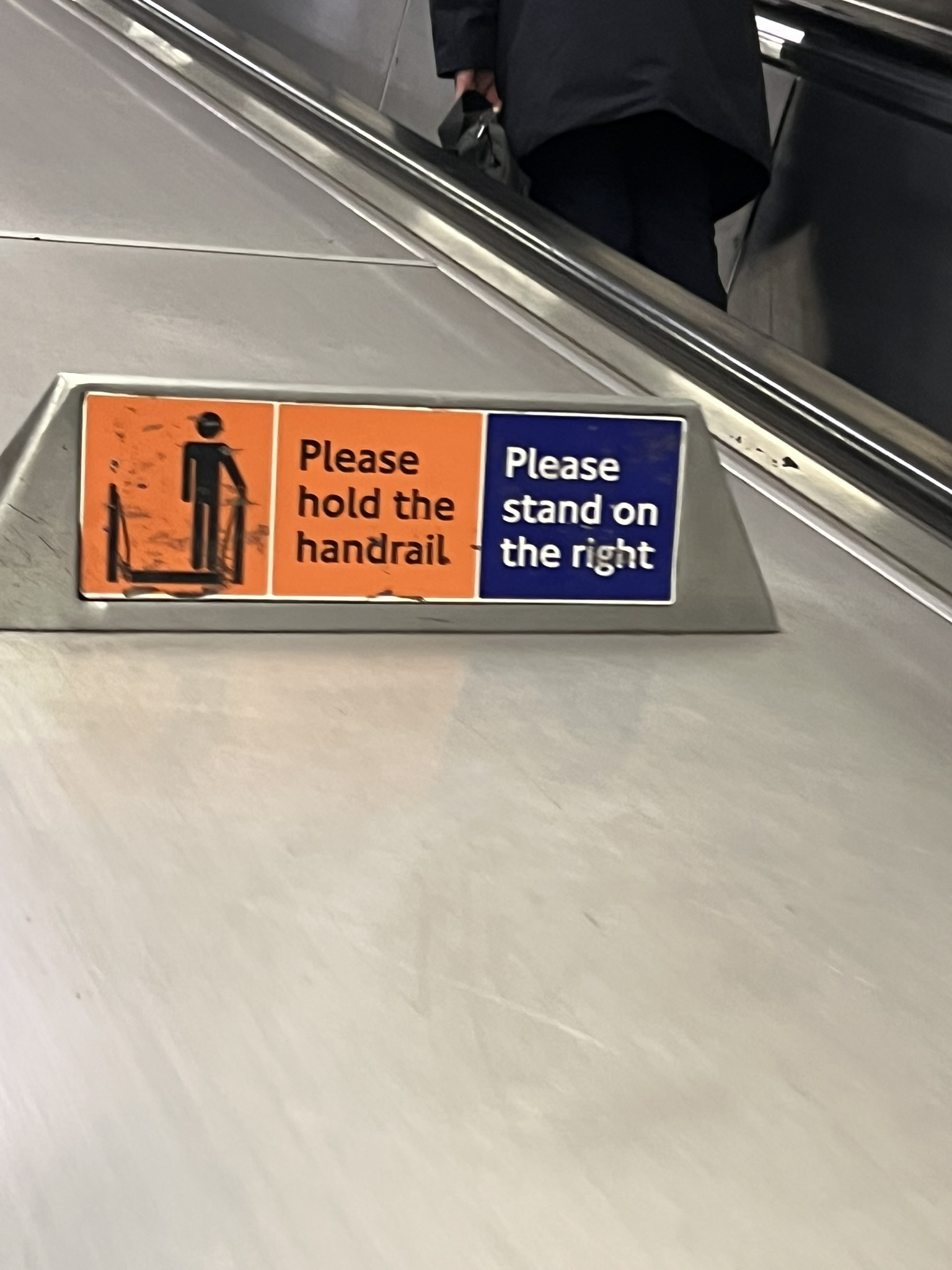
Escalators: stand on the right, walk on the left on
On the London Underground, you stand on the right and…
Tube Staff: The Unsung Heroes of London’s Underworld
There’s a common tourist misconception that Tube staff exist solely…